Choosing the right stair runner means considering much more than its colour or pattern. The width of the staircase, the style of the home, the level of traffic, the material and the quality of the installation all influence the final result. A well-suited runner can showcase the steps, improve comfort, reduce noise and provide better traction every day. In this guide, discover the main things to consider to find a solution that fits naturally into your interior.
In recent years, stair runners have made a real comeback. Long associated with classic homes, they now have their place in contemporary residences, renovated century-old houses and even modern condos. This renewed interest is not explained by their elegance alone. Homeowners are also discovering the many benefits they bring to daily life.
Choosing a style suited to your interior
The first thing people think about is often the look. Yet a well-chosen stair runner does much more than showcase the steps. It creates visual continuity between floors, adds depth to the space and contributes to the overall balance of the interior décor. Some patterns naturally give structure to a hallway, while more understated textures bring a sense of calm and sophistication.
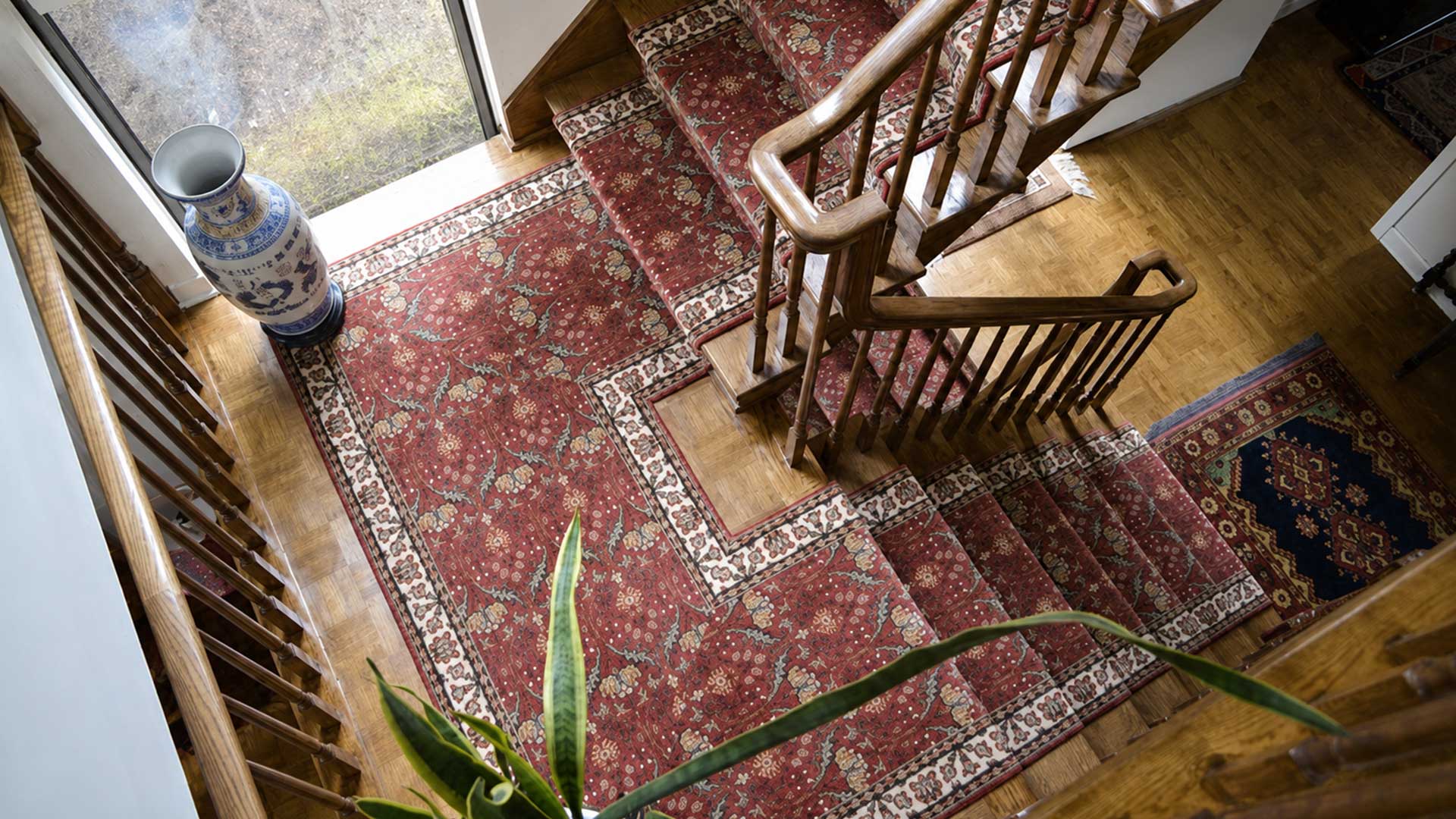
The choice of style depends largely on the architecture of the home. A traditional residence pairs perfectly with classic patterns or rich textures reminiscent of artisanal craftsmanship. In a contemporary home, cleaner lines, neutral colours and natural fibres often create an equally remarkable result. There is no one-size-fits-all solution. What works in one home can look completely different in another.
To choose the right stair runner, it is important to look for a style that complements the architecture and the overall atmosphere of the home.
Finding the right width for your staircase
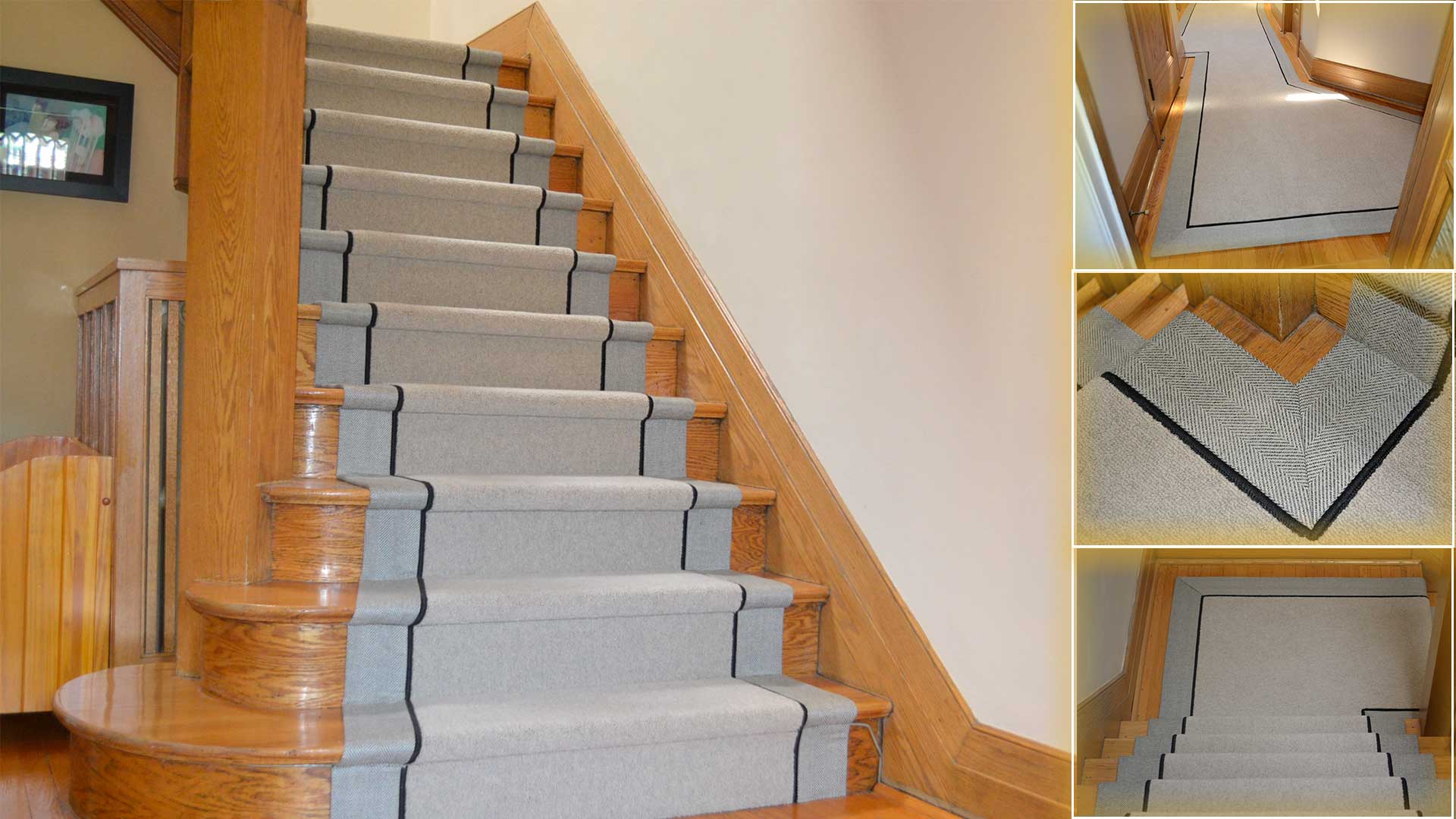
The width of the stair runner is another element homeowners do not always think of right away. Yet it has a huge influence on the final result. A runner that is too narrow can look lost on the staircase, while one that is too wide can hide the beauty of hardwood steps. Finding the right balance means taking into account the proportions of the staircase, the visible stringers and the architectural style of the home. Before choosing a stair runner, you should therefore carefully measure the steps and determine the width that creates the best visual balance.
Choosing the colour according to your space
Colour also deserves more thought than it might seem.
Many people choose their carpet based solely on a small sample viewed under store lighting. Yet natural light considerably changes the appearance of fibres throughout the day. A warm grey can look almost beige at sunrise, while a darker shade will reveal more of its depth in the evening. This is one of the reasons why an on-site visit often adds real value. Observing the actual light in the home makes it possible to make much more accurate choices.
Which material should you choose for a stair runner?
Material is another decisive factor.
Wool remains one of the most sought-after fibres for high-end stair runners. It provides remarkable comfort, naturally absorbs some of the sound of footsteps and keeps its elegance for many years when properly maintained. Premium synthetic fibres also perform extremely well, especially in homes with very heavy traffic or where young children and pets are part of daily life.
However, it would be simplistic to always pit wool against synthetic fibres. Each material has different advantages. The best choice depends above all on the occupants’ lifestyle, how much the staircase is used and expectations in terms of maintenance.
To choose a durable stair runner, the material must match the level of traffic, your lifestyle and your maintenance expectations.
Why professional installation is essential
Beyond the choice of the runner itself, the quality of the installation plays a fundamental role. A stair runner can be made from the best materials available, but an approximate installation will quickly diminish its appearance. Imperfect alignment, poorly matched patterns or uneven tension become visible much sooner than you might think.
Knowing how to choose a stair runner is important, but the quality of the installation also determines the appearance and durability of the final result.
Conversely, when it is installed by experienced specialists, the result looks almost natural. Each step shows exactly the same reveal, the lines remain perfectly straight and the finishes seem to be an integral part of the staircase. This level of precision is rarely a matter of chance. It relies on experience, patience and constant attention to detail.
Comfort, safety and protection for your steps
Stair runners also offer benefits that are often appreciated after installation. Moving around becomes quieter, particularly in multi-storey homes. The risk of slipping decreases thanks to better traction underfoot. Wooden steps are protected from daily wear, which helps preserve their appearance over the years. Choosing the right stair runner therefore makes it possible to combine aesthetics, comfort, safety and protection for your steps.
Taken separately, these benefits may seem modest. Together, they truly change the way you live in your home.